Modern homes often pursue consistency. Every room receives equal attention, every ceiling is treated with similar importance, and finishes remain deliberately continuous. While this creates visual cohesion, it occasionally raises an interesting question: should every space demand the same level of architectural attention?
Perhaps not.
Residential architecture has always relied on hierarchy. Cities have landmarks. Buildings have entrances. Rooms, too, benefit from understanding which moments deserve emphasis and which quietly support them. Designing every corner with identical intensity rarely makes a home feel richer. More often, it makes every experience feel equally flat. The most thoughtful luxury home design understands that hierarchy is not about omission, but about intentional emphasis.
Should Every Room Feel Equally Important?
Clients understandably wish for every part of their home to feel special. After all, each room carries investment, aspiration, and anticipation. Yet “special” is a relative experience. Without moments of restraint, moments of delight quietly lose their impact.
Our memory doesn’t catalogue every space equally. We instinctively remember arrival, gathering, and retreat. The entrance that welcomes us. The living room where conversations unfold. The bedroom that offers comfort at the end of the day. Architecture and interior design succeed when they understand these emotional priorities before assigning material ones.
Hierarchy Creates Memory
Human perception depends on contrast.
A dramatic double-height space only feels expansive because adjoining spaces remain appropriately intimate.
Natural light appears brighter after a compressed passage. Rich materiality gains significance when it is introduced selectively rather than continuously.
Much like composition in photography or pacing in cinema, architectural design depends on variation. Equal emphasis everywhere slowly becomes indistinguishable from having no emphasis at all. It is often this careful calibration that distinguishes thoughtful luxury interiors from spaces where every surface competes equally for attention.
This principle is echoed throughout A Pattern Language, where spatial relationships are understood through sequences rather than isolated rooms.
Not Every Square Foot Requires the Same Investment
Hierarchy is equally about resources.
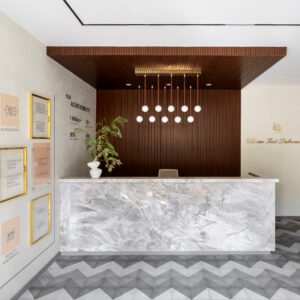
Living rooms, entrances, and primary bedrooms often justify greater architectural investment because they accommodate the most meaningful rituals of everyday life. Here, bespoke furniture, carefully calibrated lighting, richer material transitions, and thoughtful luxury interior design genuinely influence experience.
Elsewhere, restraint can become the wiser decision.
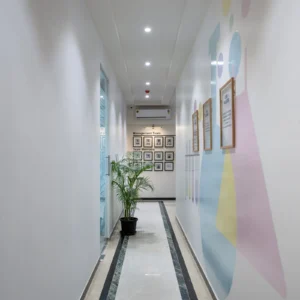
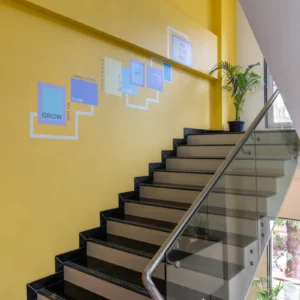
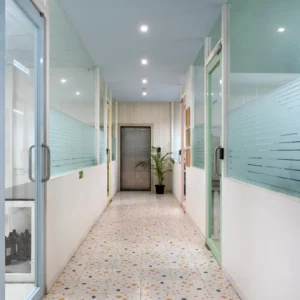
Passages perform best when they guide movement effortlessly rather than compete for attention. Utility spaces reward clarity over ornamentation. Secondary rooms benefit from adaptability instead of unnecessary complexity. The most enduring residential architecture is often defined not by how much is designed, but by how intentionally each space is prioritized.
Good design is therefore not about distributing budgets evenly. It is about distributing intention intelligently.
Where Restraint Creates Value
Restraint is often mistaken for compromise.
In reality, it is one of architecture’s most deliberate decisions.
Choosing not to over-design certain spaces allows others to breathe. It prevents visual fatigue while giving important moments genuine presence. The absence of constant stimulation creates room for appreciation.
As The Eyes of the Skin argues, architecture is experienced gradually through atmosphere, movement, and perception—not through isolated visual objects. Thoughtful architectural design quietly shapes each of these experiences, allowing hierarchy to emerge naturally rather than announce itself.
The Rhythm of a Home
Perhaps homes are remembered much like music. Not every note is played at the same volume, and not every movement seeks attention. Crescendos exist because quieter passages prepare us for them.
The same principle governs thoughtful home design. Every room contributes to the experience, but not every room needs to lead it. It is this careful balance between emphasis and restraint that gives architecture and interior design their lasting emotional resonance.
Luxury, then, is rarely the result of making every corner exceptional. It emerges from knowing exactly where to invest, where to simplify, and where restraint allows the entire home to feel more memorable. The most successful luxury homes are not those that demand attention everywhere, but those that understand where thoughtful intervention creates the greatest impact.