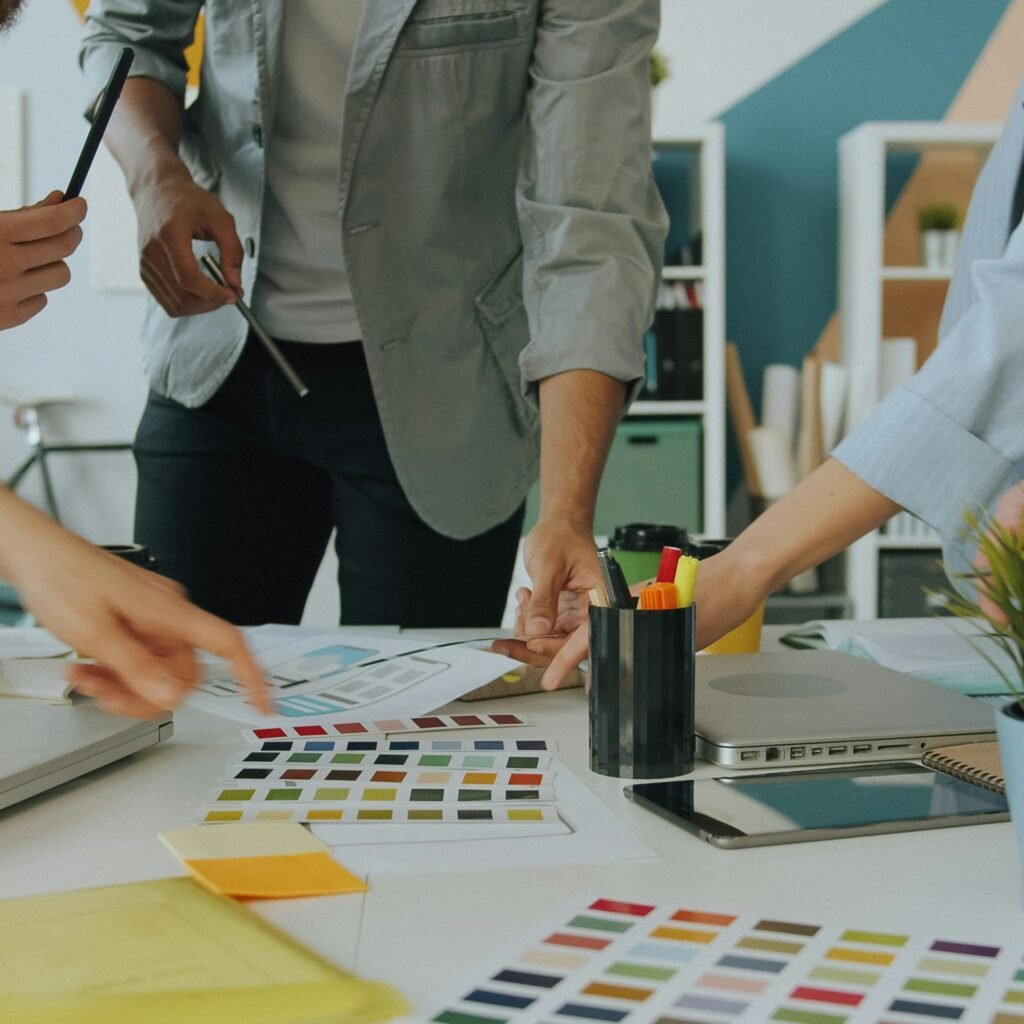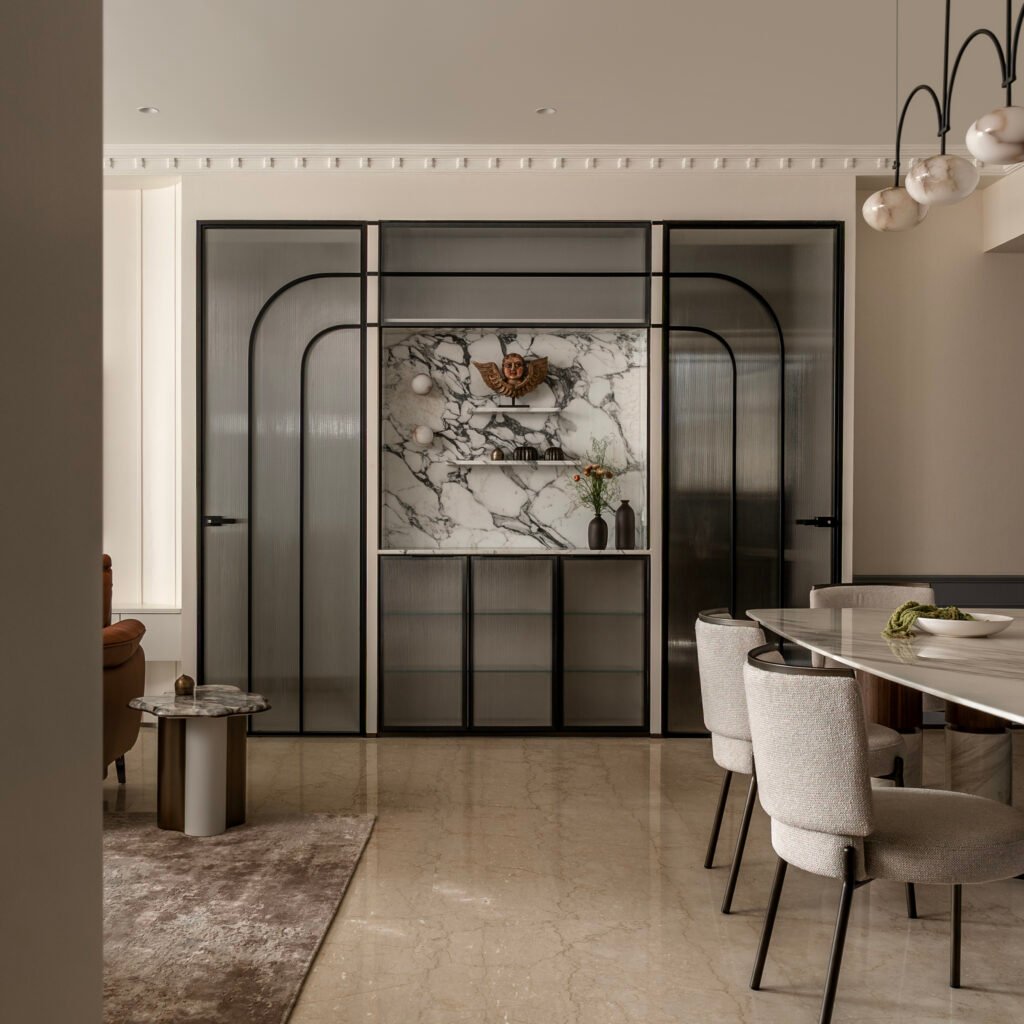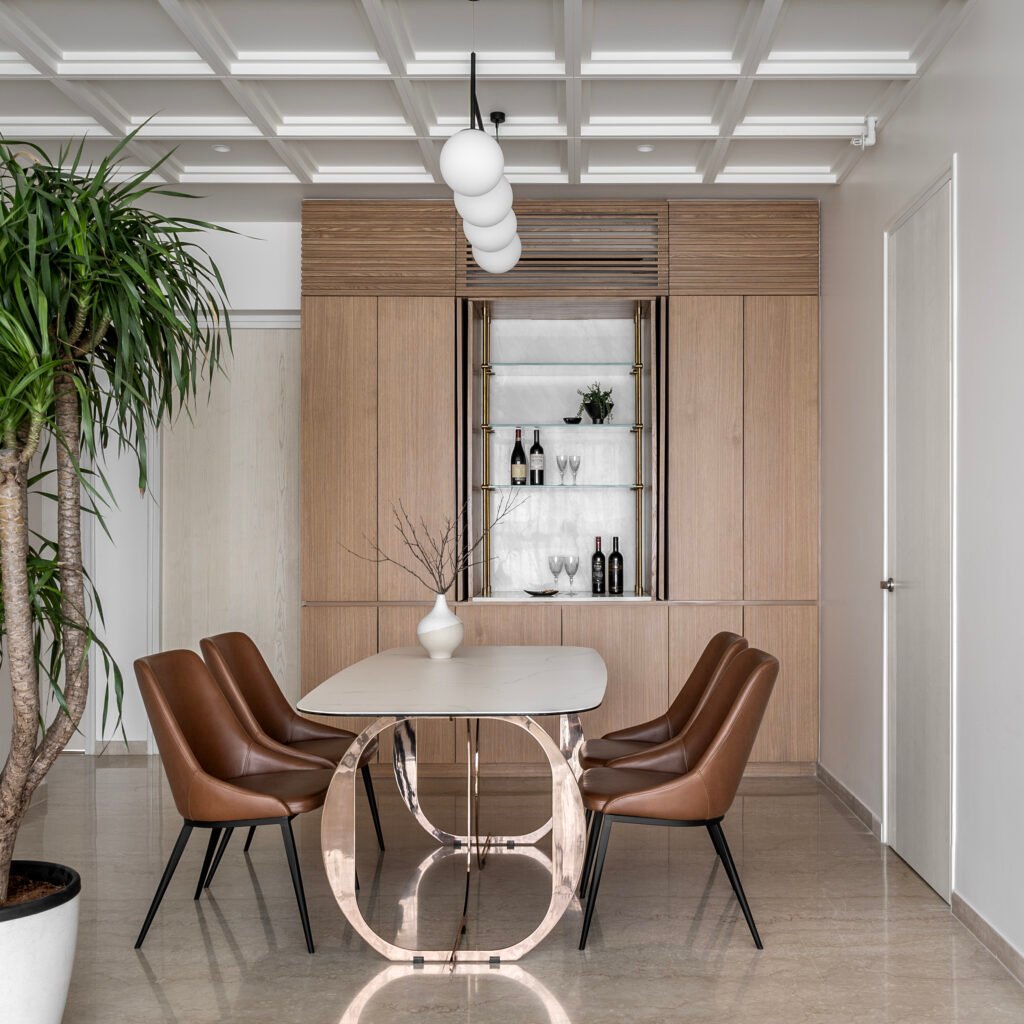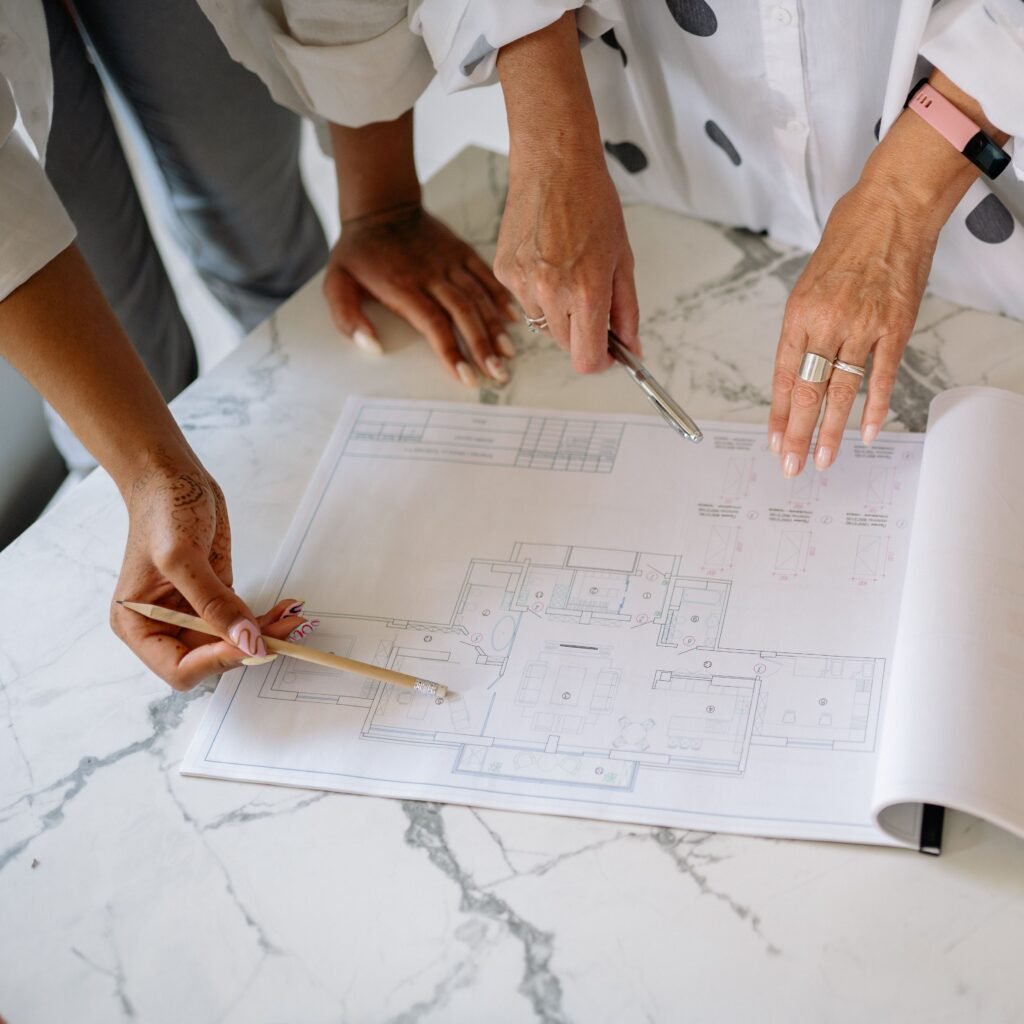
Modern workplaces are no longer measured by how many desks they can accommodate, but by how effectively they support the different ways people work. The workplace has gradually shifted from being a destination for attendance to an environment for purposeful collaboration, focused work, and meaningful interaction. This evolution has quietly redefined workplace design, where office architecture and commercial interior design are increasingly expected to support people as thoughtfully as they support performance.
The Desk Is No Longer the Workplace
Emails are answered in cafés, meetings unfold while walking, ideas emerge over coffee, and the most productive conversation of the day often happens far from a conference room. The office, once organized around attendance, is now expected to support attention instead. Perhaps then, the more relevant question in 2026 is no longer Where do we work? but What does work actually require from a space?
Hybrid work has accelerated this transition, encouraging organizations to rethink not just where work happens, but how attention is sustained throughout the day. The contemporary workplace now asks architects and interior designers to design environments that accommodate changing patterns of work rather than fixed routines.
Productivity Has Changed Its Shape
One misconception, however, continues to persist: that productivity is simply the outcome of uninterrupted work. In reality, prolonged cognitive effort gradually diminishes attention, making recovery an equally important part of performance.
Employees transition between focused work, collaborative sessions, informal discussions, and moments of recovery, sometimes within the same hour. A single environment can no longer support every mode equally well. Thoughtful office interior design and commercial architecture therefore become less about organizing space and more about enabling different modes of working to coexist with equal ease.
Designing for Human Efficiency
Studies have shown that thoughtfully timed activity or relaxation breaks can improve mood, attention, and recovery, while workplace environments that encourage movement and variation can better support sustained focus.
People rarely function like floor plans. Fatigue accumulates long before the workday ends. The question shifts from How much work can happen here? to How well can people continue doing meaningful work?
Good workplaces increasingly acknowledge these cycles instead of resisting them.
Perhaps the role of architecture and interior design is no longer limited to creating efficient workplaces. It is equally about understanding how people think, recover, collaborate, and perform over the course of a day. The most enduring examples of modern workplace design are not those that maximize occupancy, but those that create room for attention, wellbeing, and meaningful work to coexist. In that sense, good workspace design is no longer simply about efficiency—it is about creating environments that respond to people before processes.
This is where office architecture quietly becomes part of the workflow.
When Breaks Become Part of the Brief
Rather than arranging rows of identical workstations, contemporary offices increasingly accommodate different modes of working. Quiet rooms allow uninterrupted concentration. Informal lounges encourage spontaneous discussions.
Wider circulation paths become opportunities for walking conversations instead of mere connectors. Outdoor spill-out spaces, cafés, and shared breakout areas acknowledge that some of the most valuable ideas emerge away from the desk.
These spaces are not interruptions to work; they are carefully designed intervals within it. This is where thoughtful workplace design, office interior design, and commercial interiors begin to influence not just the workplace, but the quality of work itself. Architecture truly designs for people when it stops treating recovery as time lost and instead recognizes it as a productive condition.
Efficiency begins to truly consider the human element hereby.
Designing Beyond the Workstation
Perhaps this is the most meaningful evolution of the workplace. Architecture is no longer planning furniture layouts alone. It is organizing behavior, energy, and interaction throughout the day. The role of commercial architecture has gradually evolved from shaping workplaces to shaping the experiences that unfold within them.
Good offices therefore do not demand constant productivity. They recognize that concentration, collaboration, and recovery exist in cycles. When architecture and interior design respond to these natural rhythms instead of resisting them, work becomes more sustainable, healthier and ultimately more effective.
In the end, good offices don’t make people work more.
They simply make good work easier to sustain.
Photo by Vitaly Gariev on Unsplash