Trends in the design industry are little instances of styles that turn up, turn heads, and either stay or fade away through interpretation.
At our studio, we don’t really chase a specific industry trend, as we believe that briefs come with unique constraints, requirements, and declarations that eventually frame a process sufficient enough for design goals.
We do, however, keep a watch on these smaller shifts in the industry, decoding what they truly signify about preferences, behaviours, and spatial aspirations.
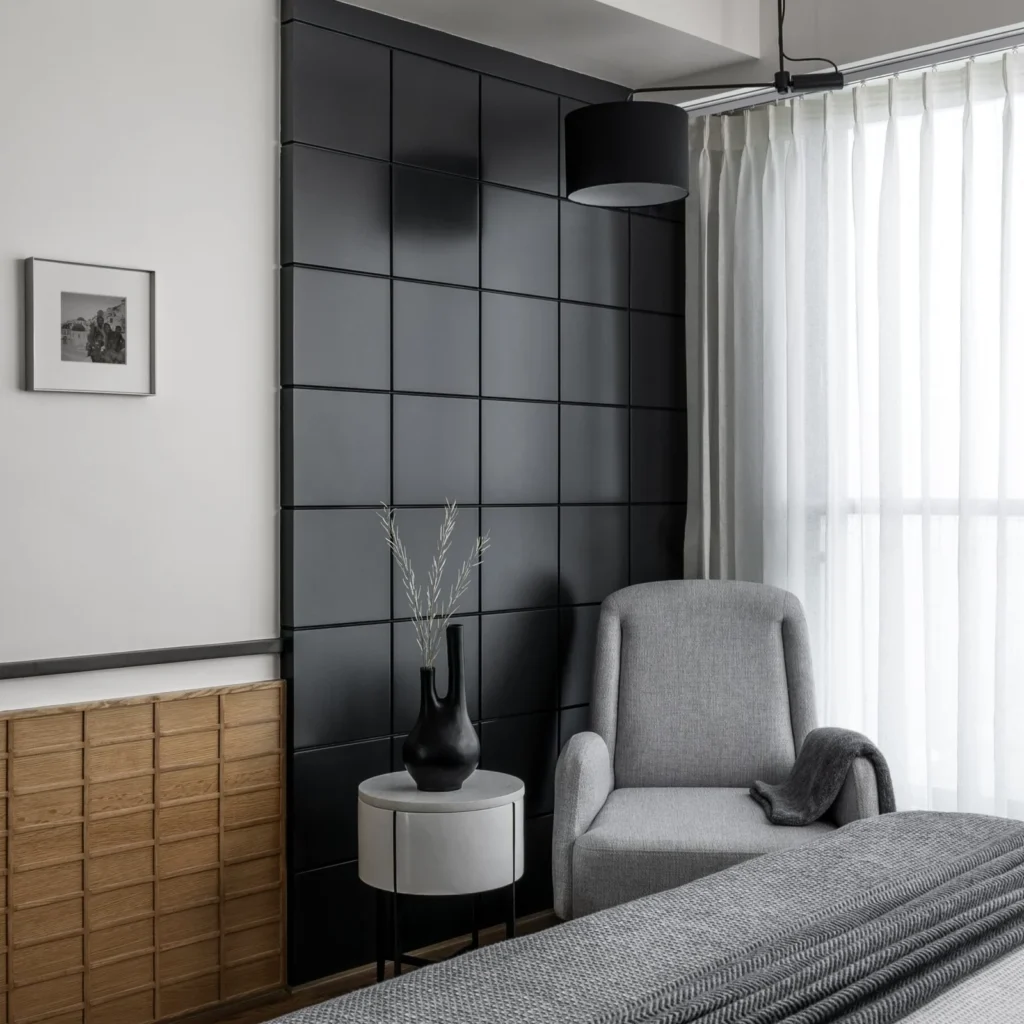
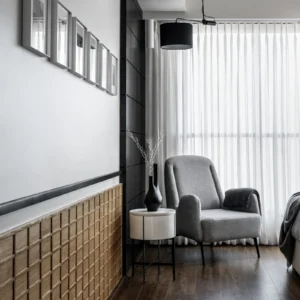
EXPRESSIVE SKIRTING + WAINSCOTING:
Introducing a little surprise of thickness and texture, a simple layer of cladded material often becomes a statement highlight to any bounding room.
At the studio, a large bold wall might be the canvas, but these elements define the necessary negative space before layers of visuals begin to weave a story.
What typically has been a protective technique against wear and tear also becomes our guiding tool for the eye and a storytelling device for the mind.
Courtesy: Greenhatcch Architects
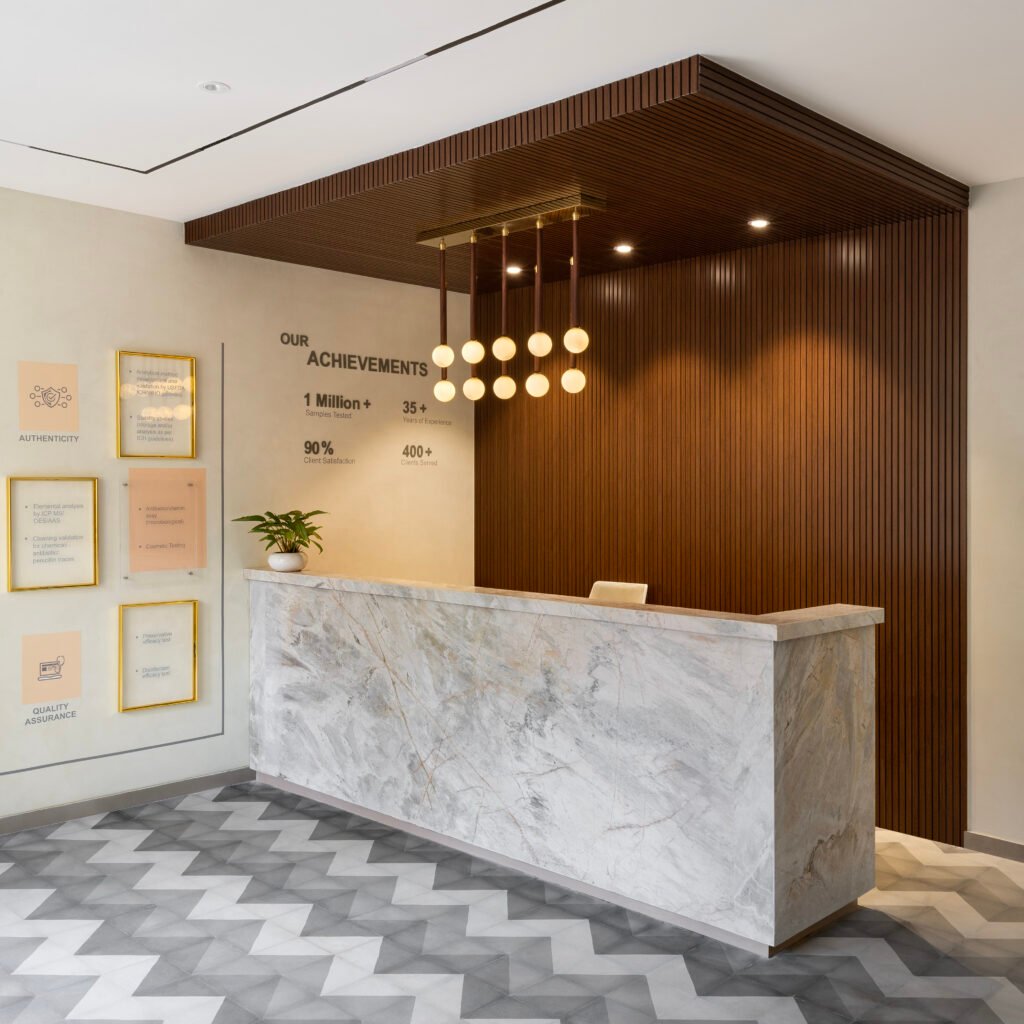
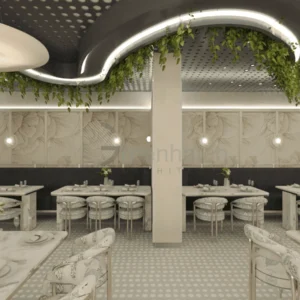
STATEMENT LIGHTING:
Lighting will always remain a conscious investment, powerful enough to completely alter moods.
It is always a performance, with control over placement, intensity, hue, and even the sculptural aspects of the fixture.
Because we have always been familiar with emitters being harmoniously attached to our surfaces and above the typical visual level.
Today, statement lighting reminds every visitor about its drama, performance, and the smaller dialogues it creates with the material of the space, even without illumination.
Courtesy: Greenhatcch Architects
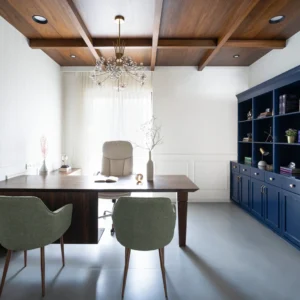
NEUTRAL AND MUTED PALETTE:
We endorse a finished look that is grounded in restraint. That is because we understand the intricacies that go into its arrival.
Perhaps there are certain realities in industry practice where design is not observed in such a detailed fashion. Yet, this is not a flaw of these tones, but rather a validation of the chosen and safe fallback they act as.
These are palettes that shed light and focus on other elements without appearing blank. They make room, visually and sensibly, to match the mood and temperament of the space meant to serve.
We prefer these in quieter spaces, signalling privacy, calm, and pause that is deeply personal. They ultimately allow small sightings of the room to take the lead while holding everything together.
Somehow, but surely, the neutral palette is no longer simply neutral in what it gives to the space.
Courtesy: Greenhatcch Architects
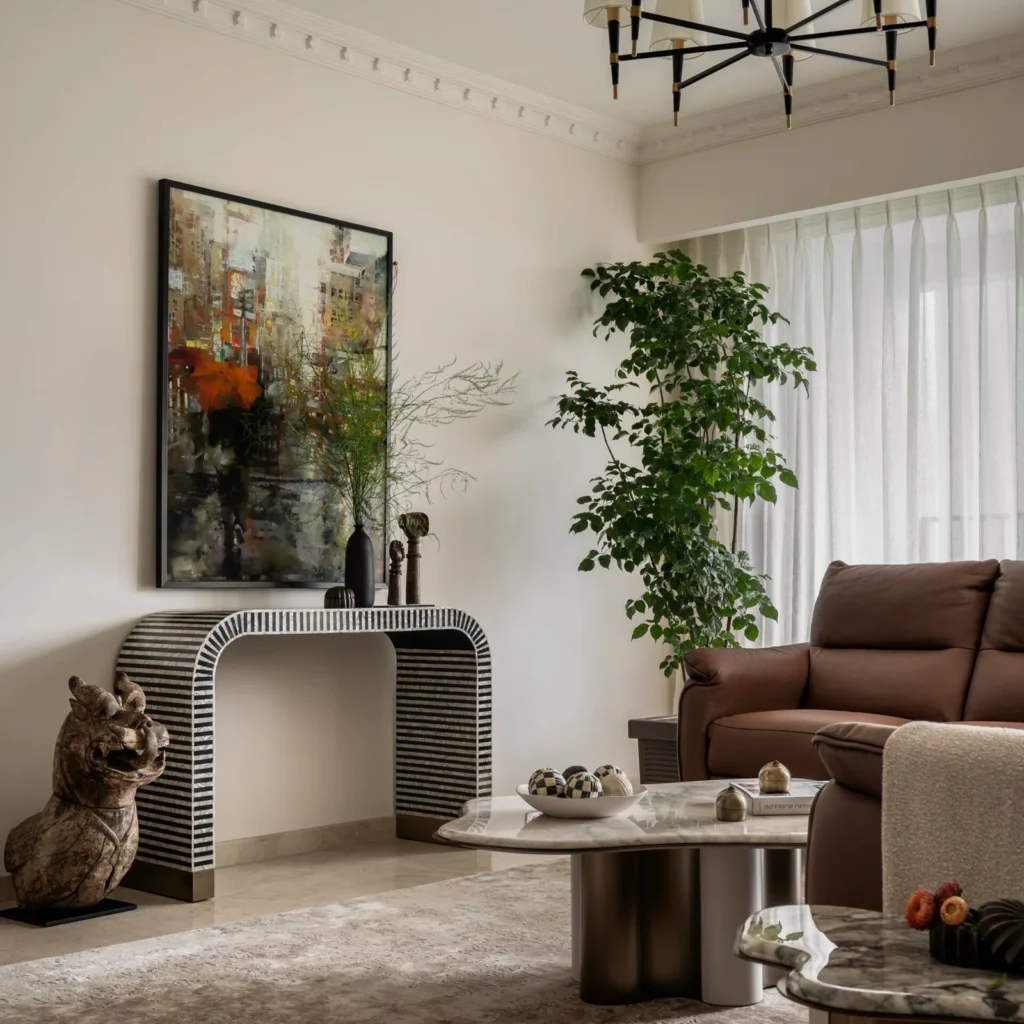
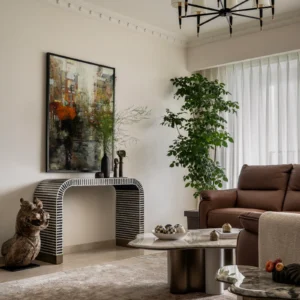
OBJECTS AS DECOR:
We enter spaces where interior design fundamentally integrates with all forms of lifestyle, routines, and behavioural traits.
Shared spaces have always been a home’s pride—a stage of display, status, and choreographed living.
Objects carry anecdotes, mood boards, and interactions, bringing a certain composition that architects or spatial designers alone would take too long to evoke.
They become living entities and rightful stakeholders of the rooms, while also, strangely, never filling the room.
The stories they carry must, of course, require a space to be heard. They are interruptions done organically, through elements that can be carried from home to home.
Brochures of history shared within the inhabitants.
Courtesy: Greenhatcch Architects
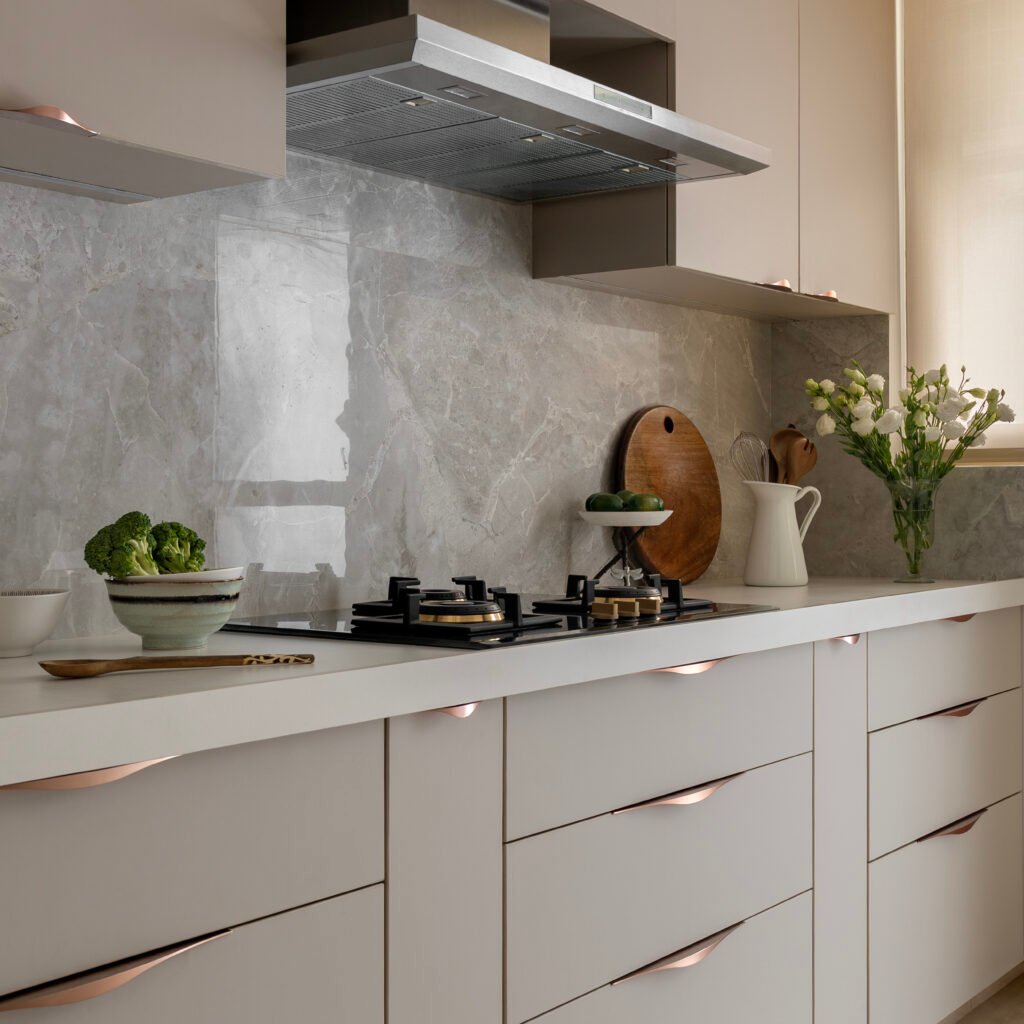
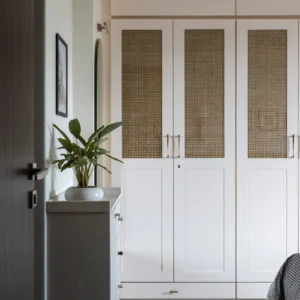
TEXTURED CABINETRY:
Our country thrives in craftsmanship. Handmade goods and objects carry skill, love, culture, and a strong element of care.
They are little nudges and nooks that add character to the space. The act of cleaning them attaches us closer to their making and place of origin.
We appreciate the stories they come with, and so does the space. Modern luxury is rooted in a form of consumerism that validates its creator and birthplace.
In a world where mass production of fittings and cabinetry has made what we overlay far more accessible, desires shift towards utility that does more than function.
Courtesy: Greenhatcch Architects
OVERVIEW:
Some emerged from functional challenges, some derivatives of larger aesthetic and symbolic criteria.
A few of these have become techniques and tools we admit to having developed a personal liking for as well.
They end up reflecting the endless nature of the industry, as opposed to the filtering and carving of a niche that we, as architects, often pursue.
Today, we share a smaller glimpse into the executed experiments of the studio through the guise of five directions..
Each carrying its own weight, charm, and character.