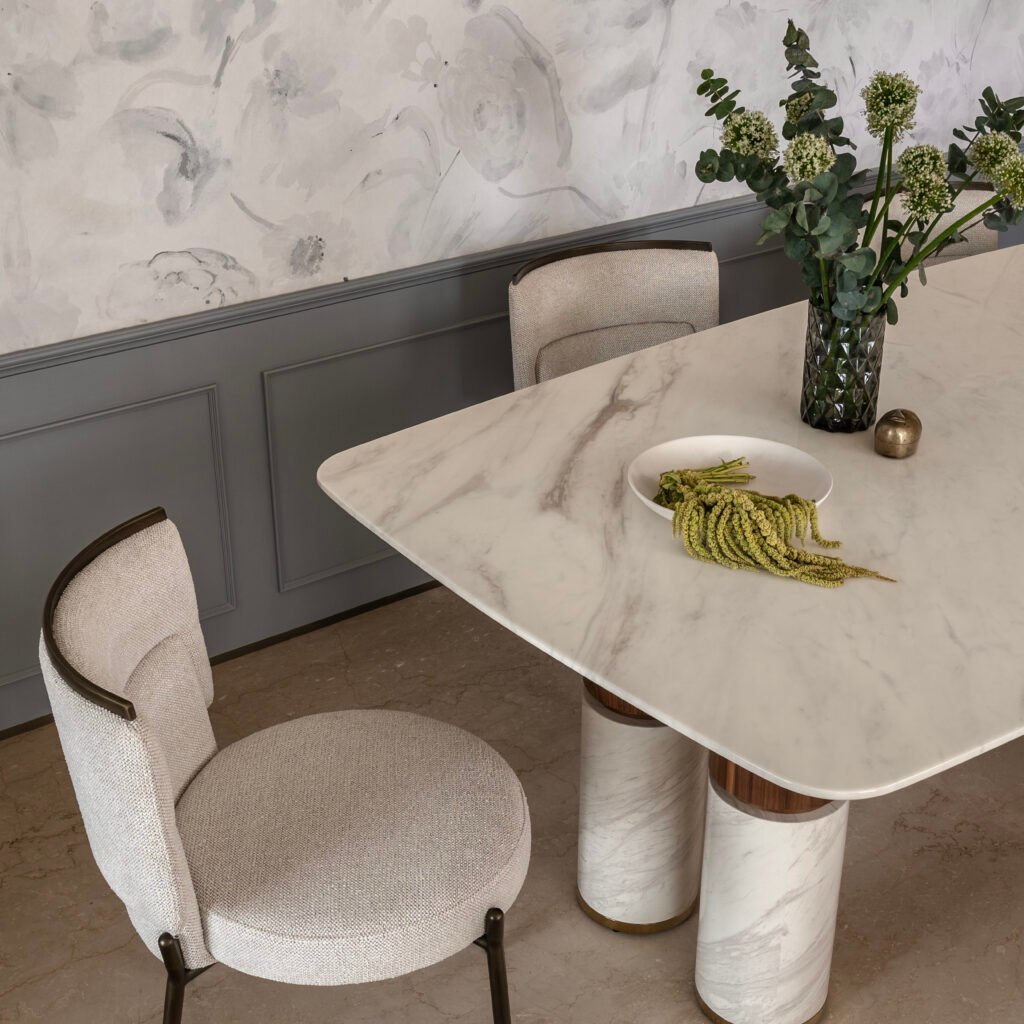
Hospitality begins not with square footage, but rather intent. In a climate where spaces are heavily curated, measured, and deeply personal how do we make them responsive to temporary and diverse shifts of mood and temperament?
Making Room, even when there isn’t any:
In a setting where every corner already carries function and memory, making room for a guest is more about accommodation — spatially and emotionally.
However, much of the Indian context sustains in an environment of high-paced rigour and work. Among nuclear families and larger durations outside their personal four walls, even a curated home might make the idea of guests feel like an after-thought.
Yet for some, owing to many reasons, it remains a non-negotiable that often challenges the core assessment of such projects.
Living Compact Realities
The phrase “Atithi Devo Bhava” — the guest is equivalent to the divine — is not decorative rhetoric.
Our present urban reality might feel like a resistance to this generosity. Yet that has only allowed us to evolve our ways of thinking, better integrate layouts and ultimately make the best use of our spaces.
In this environment and economy, dedicating a permanently vacant room to occasional and differing visitors might feel indulgent and a tad bit excluding from the spatial narratives at play.
Hospitality in Multifunctionality:
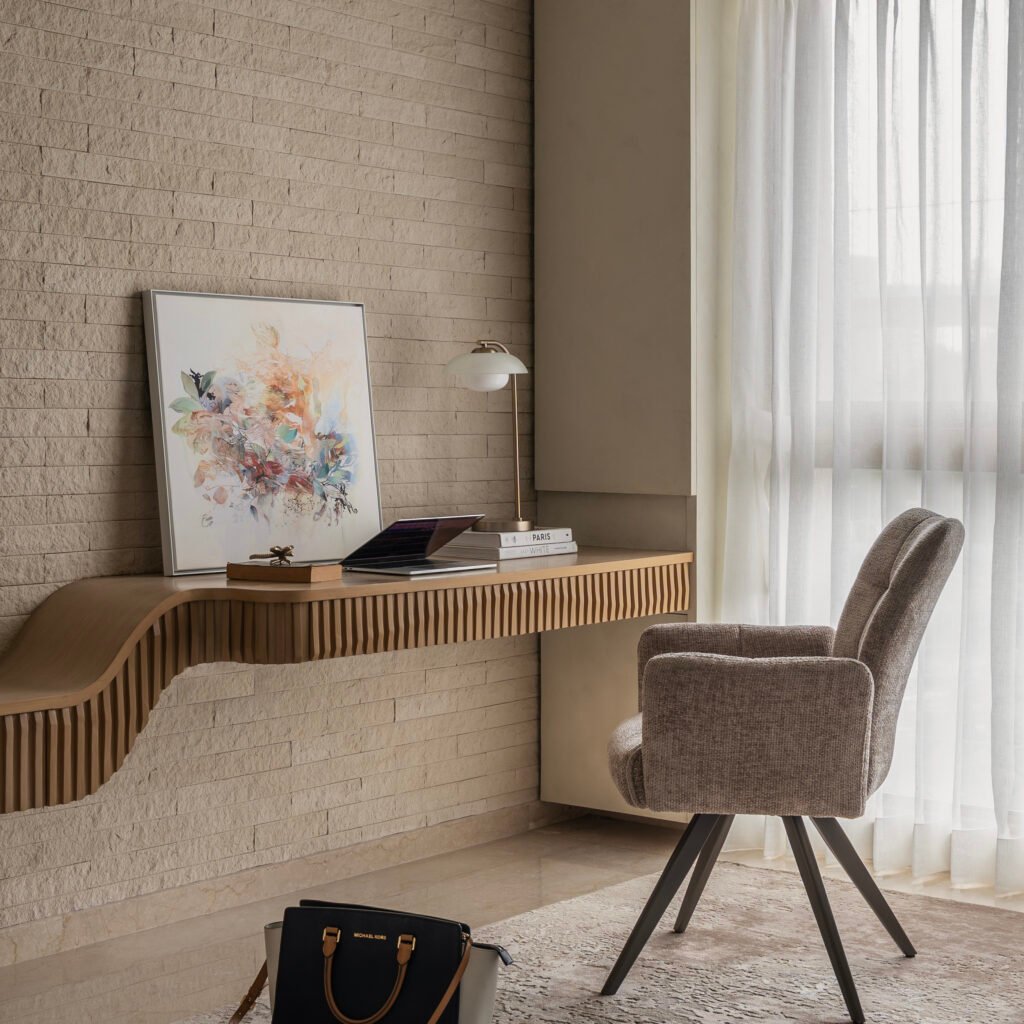
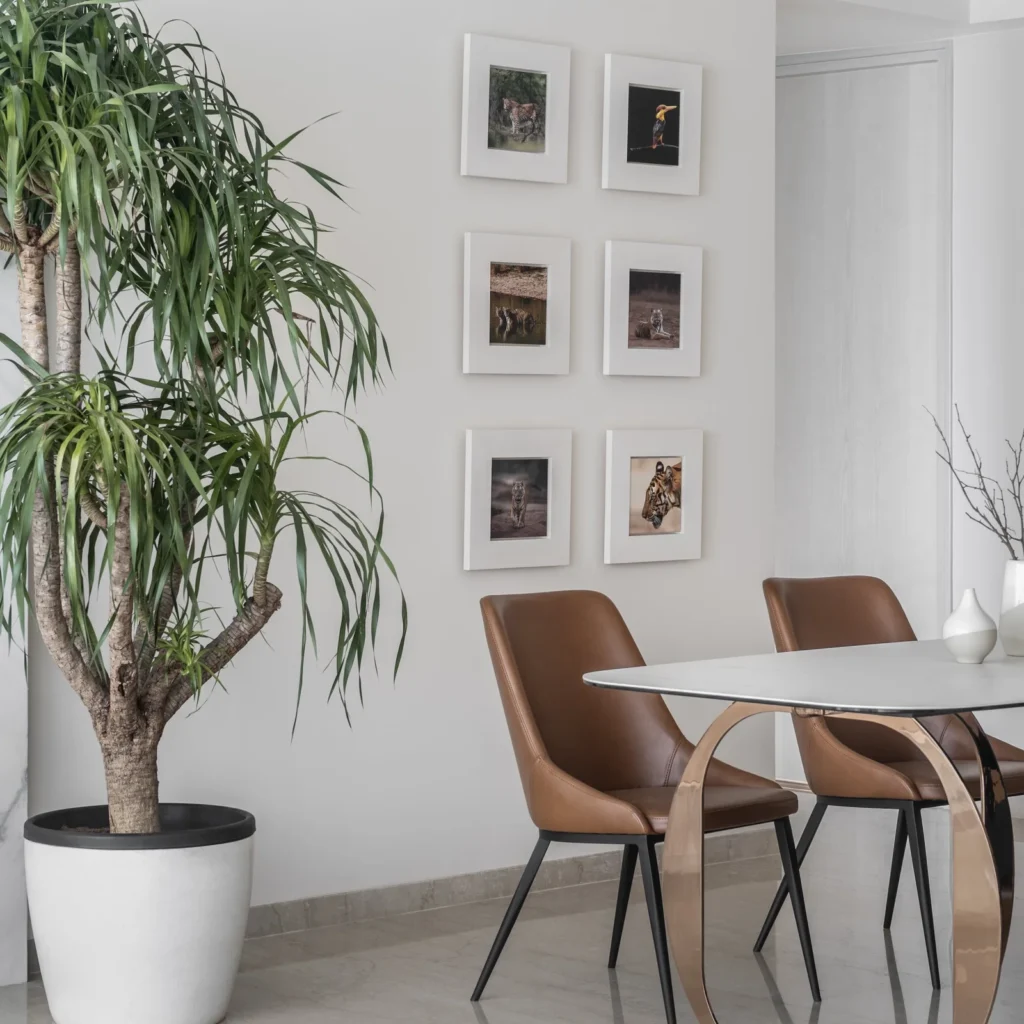
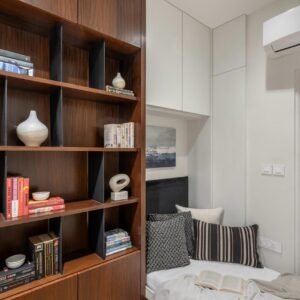
The contemporary guest room now begins to justify its existence in daily actions. No longer choosing to remain a static chamber, it becomes adaptive.
In the absence of guests, it transforms:
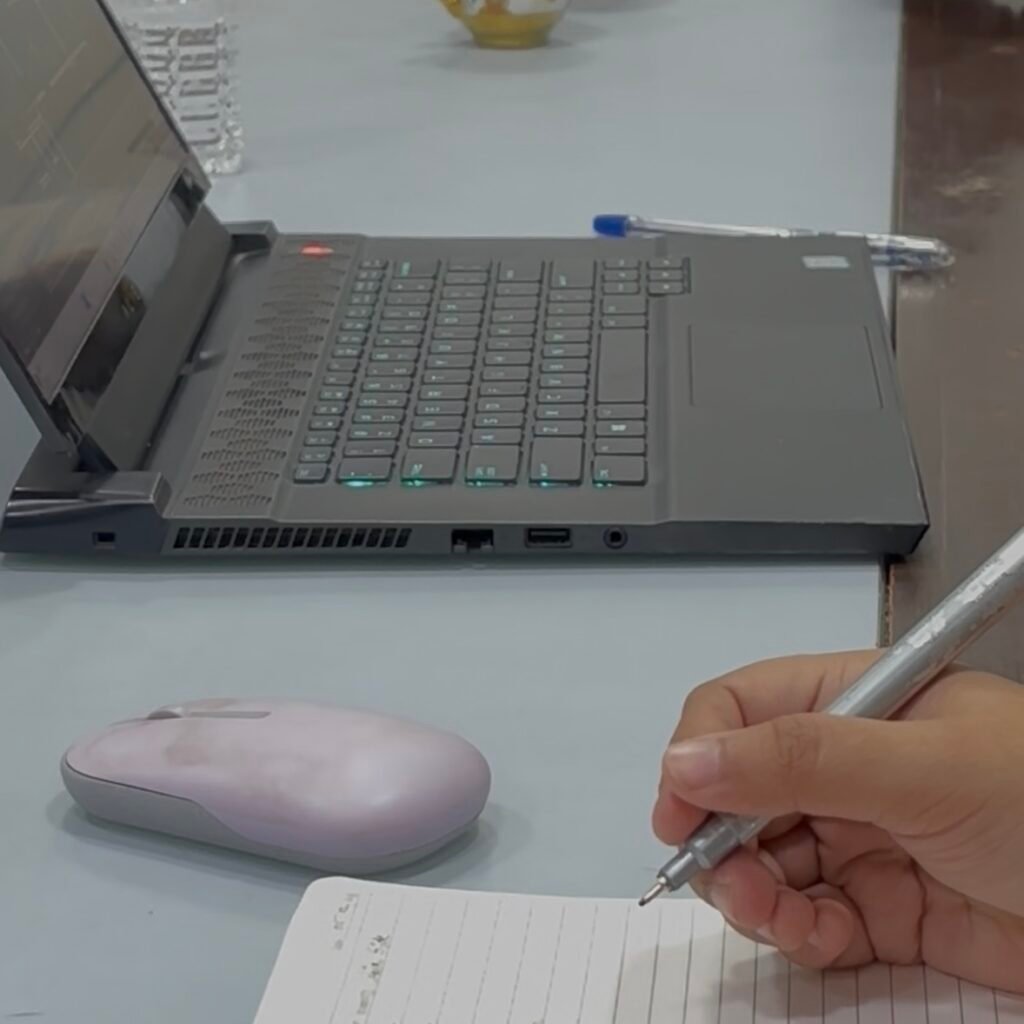
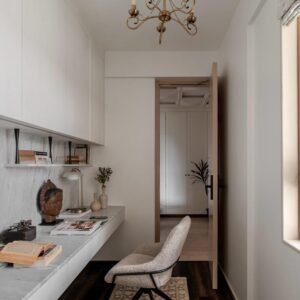
- a study during exam seasons
- a home office in hybrid work cycles
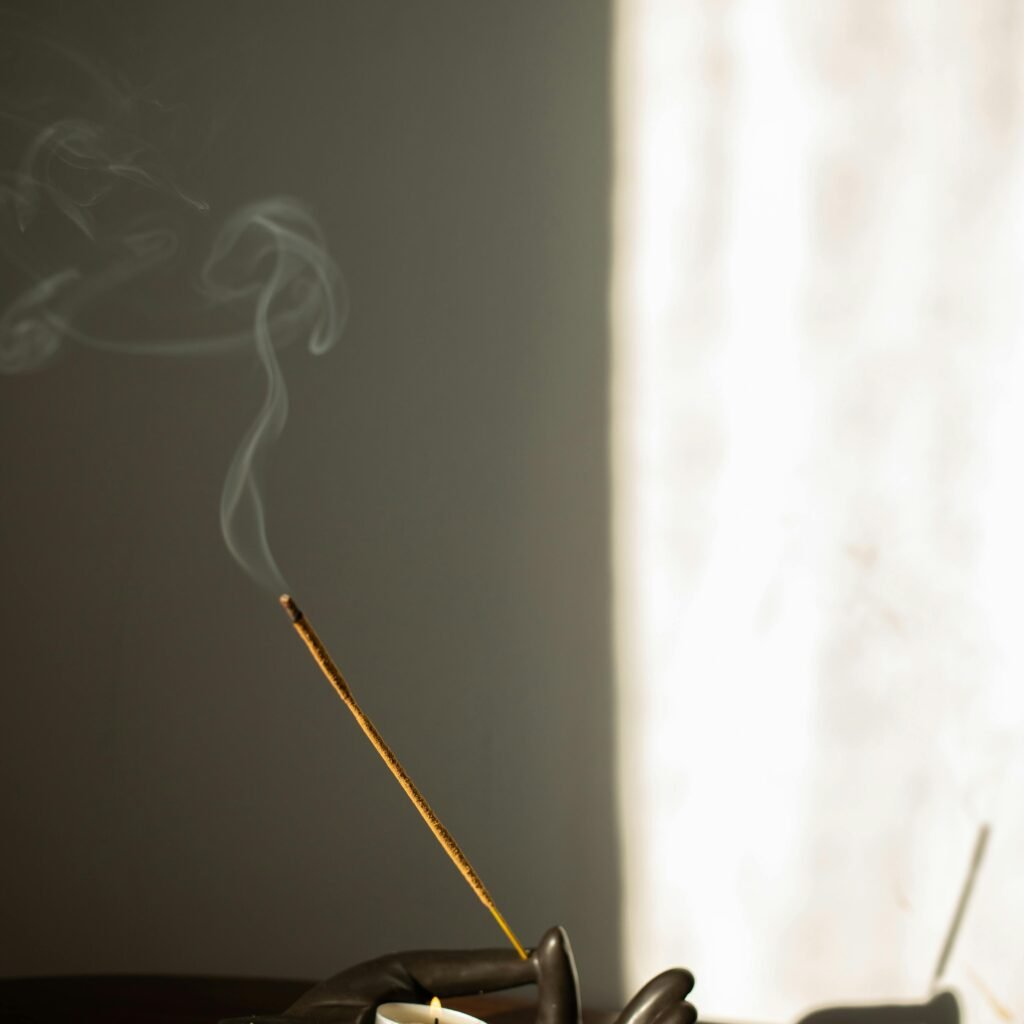
- a prayer corner during festivals
- a yoga retreat at dawn
Courtesy: Greenhatcch Studio
Traditional celebratory inspirations:
Historically, in Mughal residences, the Mehmaan Khana functioned in a similar way. (refer for detailed reading)
Despite acting as a defined guest quarter, it spatially integrated dedicated zones for entertaining and hosting visitors without blurring internal family life with public roles.
Designing for Absence as Much as Presence:
These rooms, much like the primary occupiers, become the transitional nodes of the house. Forever in a shifting state of programs, activities and moods, they are designed to perform in an allied fashion for the larger inhabitants of the house.
And at the time a guest arrives, reorient focus and present gracefully when occupied.
Courtesy: Greenhatcch Studio
After-thought:
Culturally, emotionally, architecturally, Indian homes are made to always keep room for even sudden and unannounced guests.
This gesture is sustained today by changing a singular destination to a fluid extension of everyday life.
This has allowed for a holistic and truthful integration of the vision from the spatial designers. At Greenhatcch, we’ve often faced these challenges and our clients have always realised the weight of simple yet practical solutions that enhance the quality of life for the house and people from beyond.