Architecture is often understood through its visible outcomes
Bold and inspiring forms,
Experiential use of scale,
Ingenious experimentation in material.
Yet for a deeper analysis and engagement, we return elsewhere. Behind every resolved surface exists a layer of decisions, where intent is negotiated through precision. It is here, in the pursuit of detail, that design begins to reveal its discipline.
The eye level, our extent through the hands and legs and environment around us allows us to interact with a calculative composition of joineries, complexities, modularity and assemblies.
Sometimes we do express these technicalities visually, otherwise preferring quieter and simpler finish surfaces. What remains in both cases is their functional and aesthetic contributions.
Designers First:
Our training equips us to interpret the world with a layered lens,
Decode key problems,
Develop a mind rooted in trial and error,
Deploy productive solutions.
This iterative mindset extends across creative disciplines. As architects, however, we often begin at an unusual point: the finer grain. By resolving edges, junctions, and sequences early, we construct a larger clarity. The macro is frequently a consequence of how precisely the micro has been understood and addressed.
Because Simplicity ultimately takes efforts:
The pursuit of detail is not always a matter of perfection, but of clarity. Drawings afterall must become grounded and feasible realities.
Design is the alchemy of turning speculated solutions into workable prototypes that can be replicated under set instructions. When drawings are largely tested against reality, inherent assumptions are refined, and restraint becomes a discipline.
Design styles are a good example of this. Showcasing complexities of construction is not a bad design call but neither is forcefully masking it.
The end motive is always in achieving a complete process. One that ticks major prerequisites.
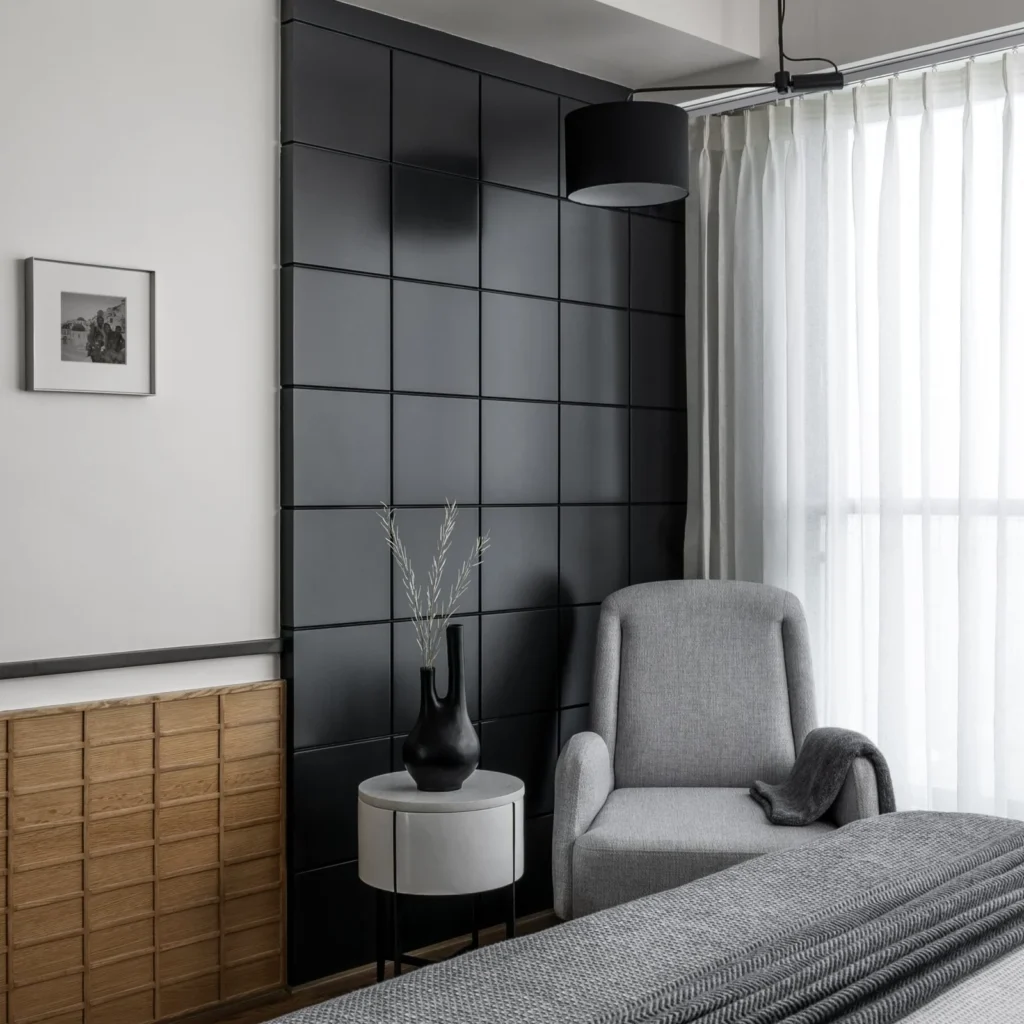
Skirting & Panelwork
Courtesy: Greenhatcch Architects
Sometimes about the texture, sometimes the aspirations, sometimes a translation of the moodboard. Here, the success of a space lies not in what is added, but in what is deliberately held back.
What drives this thinking:
This pursuit may seem endless, even obsessive at times. Yet it is this very rigour that allows architecture to move beyond assembly.
Detailing transforms construction into intention: ensuring that what is built carries complete coherence, longevity, and resolution that goes beyond early impressions.
And yet, for all its rigour, detail carries a quiet irony. The better it is resolved, the less it demands attention. It slips into the background, doing its job so well that it almost disappears. Perhaps that is the real test:
Not to be seen, but to be trusted.
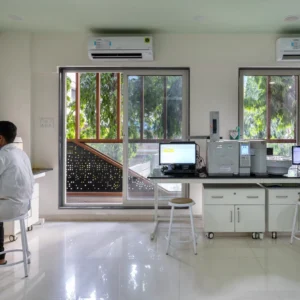
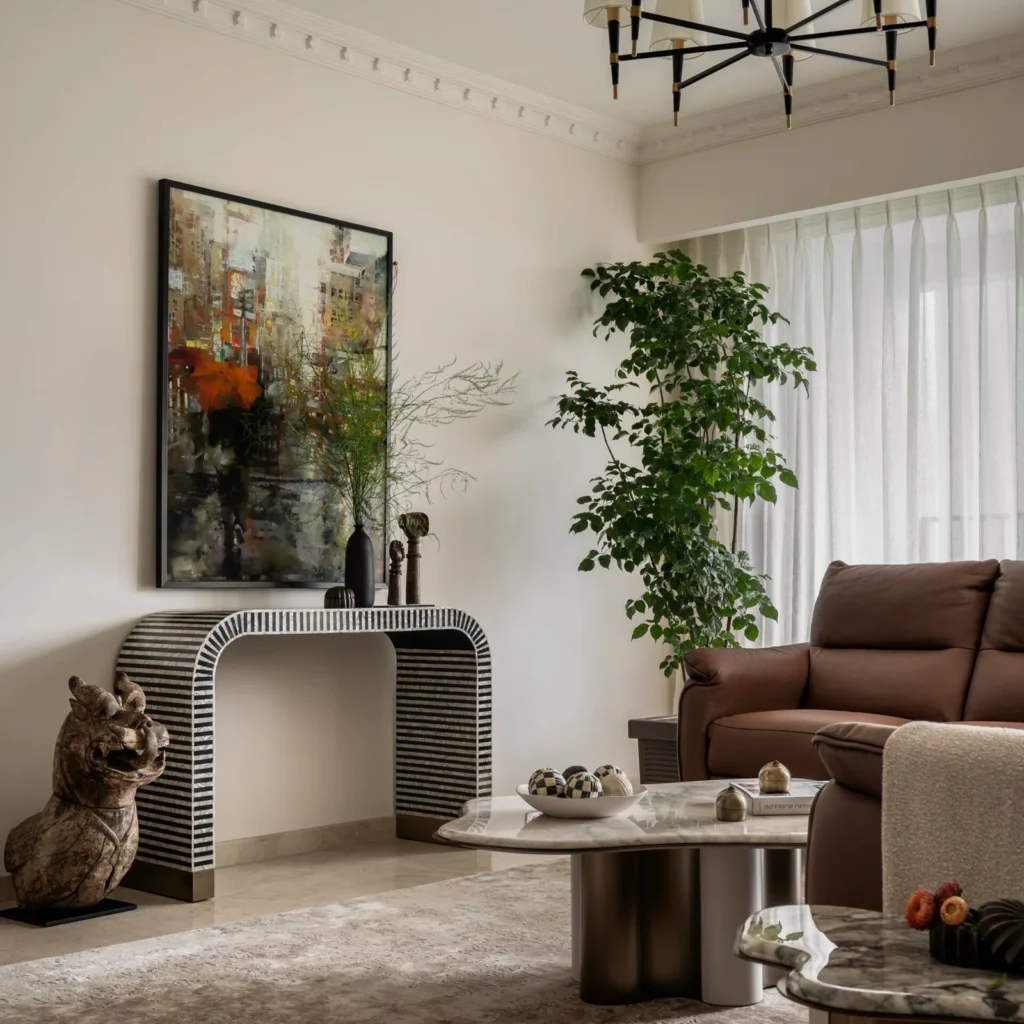
Jali Pattern
Courtesy: Greenhatcch Architects
Who has the most stake involved:
Funnily enough, the intent as discussed can largely vary with the briefs. The value of detail often shifts depending on who is observing it.
What may feel critical to the designer can appear minimal, even invisible, to the end user.
This is not a rejection or a failure on part of the detail. This is its nature.
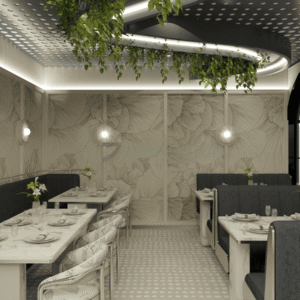
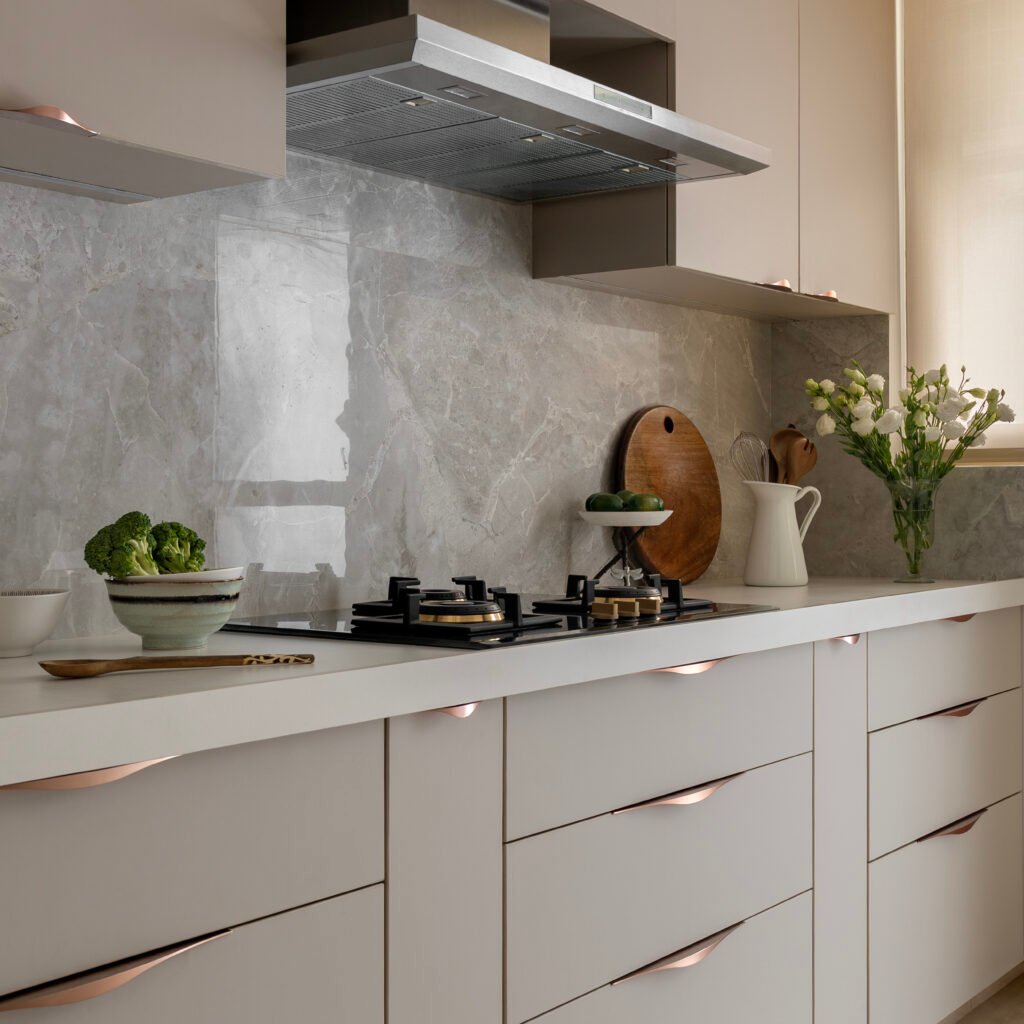
Ceiling Recess Lights
Courtesy: Greenhatcch Architects
Rather, most users cannot read the relevance of individual components from a composition of cabinets, fixtures, claddings, lights, recess and more unless directly subtracted from the view.
These moments might appear in final photographs, or might not even directly be the point of focus ever yet remain fundamentally functional to the living ecosystem.
“Good design is obvious. Great design is transparent.” — Joe Sparano
Invisible design operates precisely in this realm. It does not demand attention, yet it governs comfort, usability, and coherence.
Detail, therefore, is less about being seen and more about being experienced, subtly reinforcing the relationship between user and environment without ever interrupting it.
Overview:
There is an invisible labour embedded in this process. Hours spent resolving a corner that may never be consciously noticed, iterations that refine a line by millimetres, conversations that weigh aesthetics against performance.
It is a duty we as Architects abide by. Starting as a conscious decision, it becomes second nature to any designer. To get to the bottom of every task in its rawest and most minute form possible.
To engage in a dialogue at this platform. Between ideas and materials. Its dimensions and perception. All of this done irrespective of the audience.
In many ways, detailing becomes a form of authorship. It reflects how carefully a designer listens to the material, the context, and the brief. This becomes the biggest commitment.
Architecture lingers in the ease of use, the comfort of occupation, the absence of friction. And somewhere within that effortlessness lies the outcome of an endless, often invisible pursuit.